Featured

SYMBOLS OF AMSTERDAM

Ik zal handhaven. (“I will uphold, I will maintain.” )

— The Netherlands Motto
source: https://www.cntraveler.com/story/the-worlds-first-bicycle-mayor-guides-us-through-amsterdam

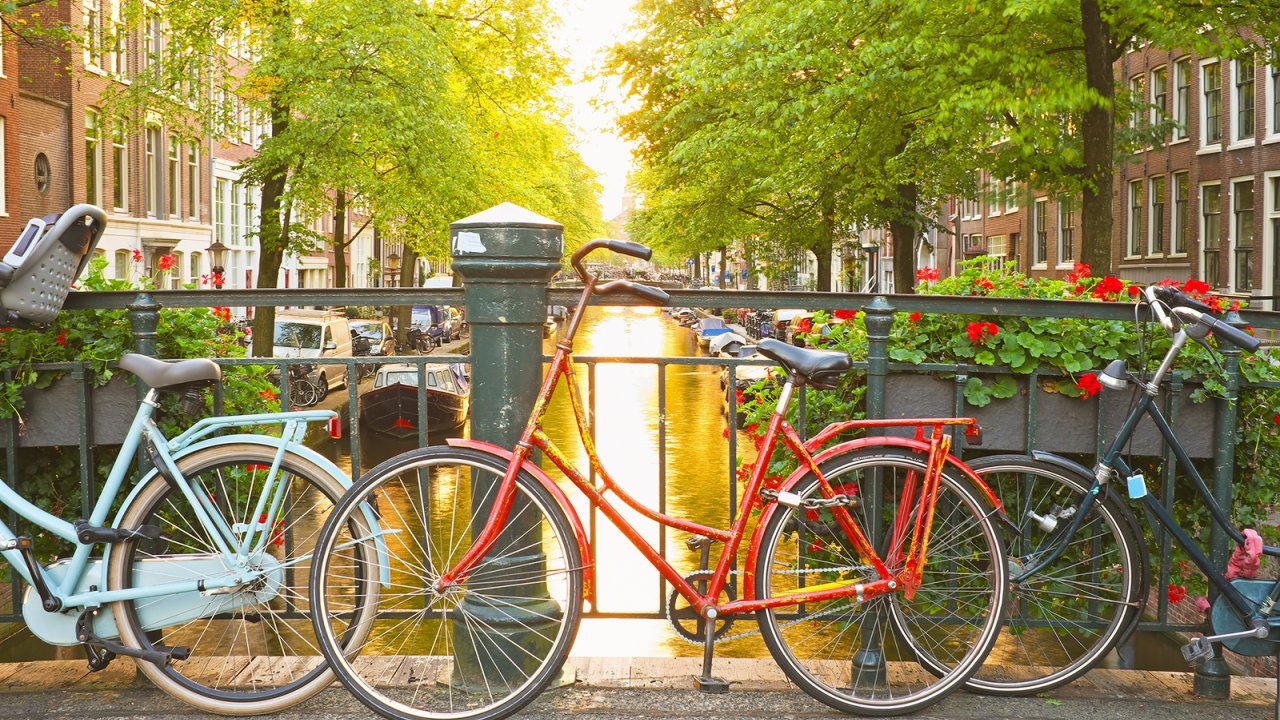
Attributed as the “best way to get around” bicycle riding is very much the norm within Dutch cities and towns. The colourful and busy yet inviting landscape of Amsterdam practically begs you to explore it on two wheels and thus, in a more immersive and intimate way than travelling in an enclosed car or bus. By being on a bike, you remain present within your surroundings, and still prone to smelling the batch of fresh Dutch bakery goods that wafts through the air, or catch the way the sunlight hits the water of the nearby canals as you cycle past them over cobbled paths.

Regardless of age or experience with riding, as the Netherlands is considered a mostly flat landscape, bike riding remains the most popular and practical way of transportation. Amsterdam in particular, is recognised for its seemingly endless supply of cycling scenic routes and tracks. Thus the bicycle has unsurprisingly become a prominent symbol of the Dutch capital, frequently scattered throughout the streets and lanes of the city, likely featuring in many happy holiday snaps of countless tourists.
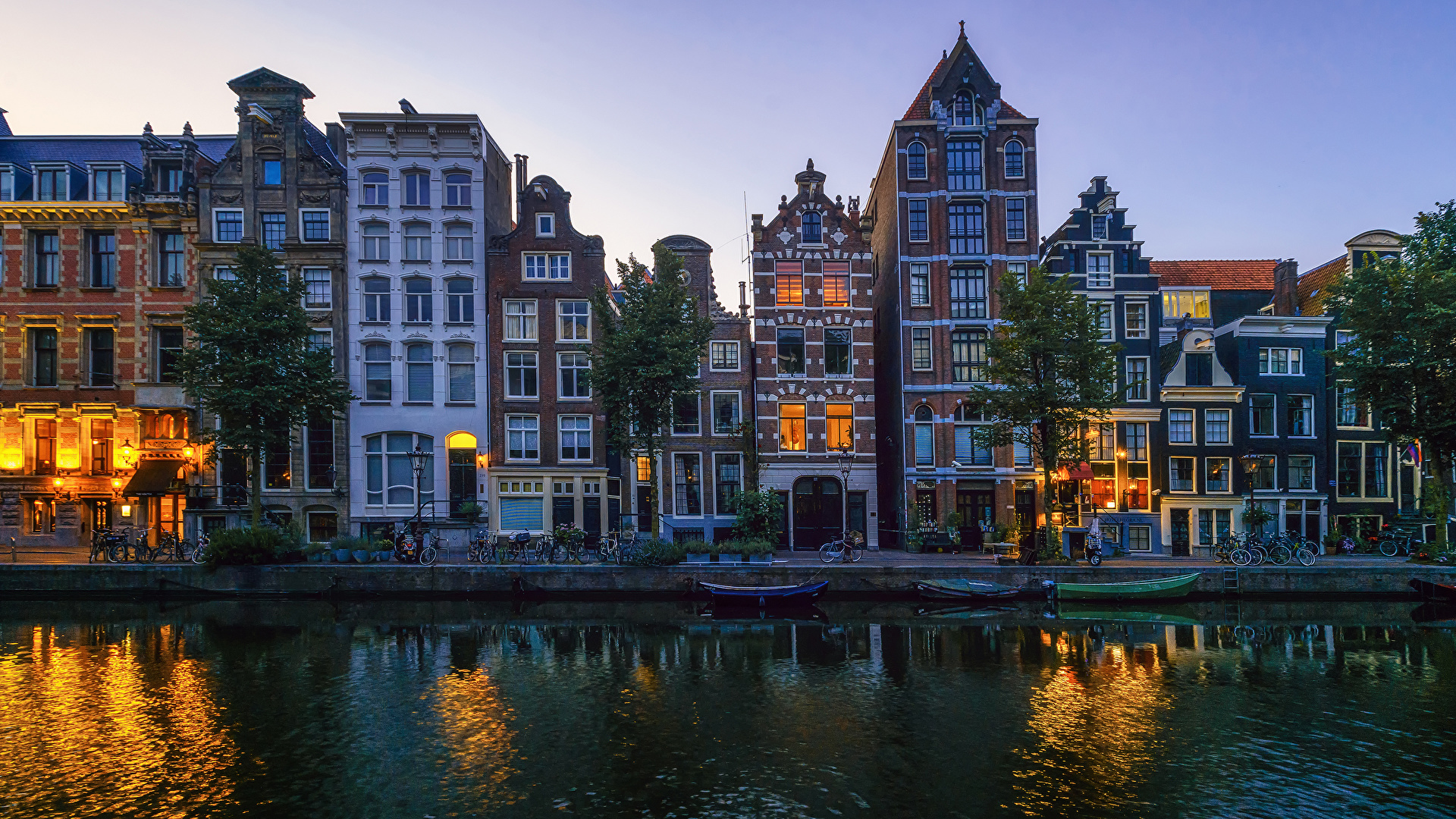
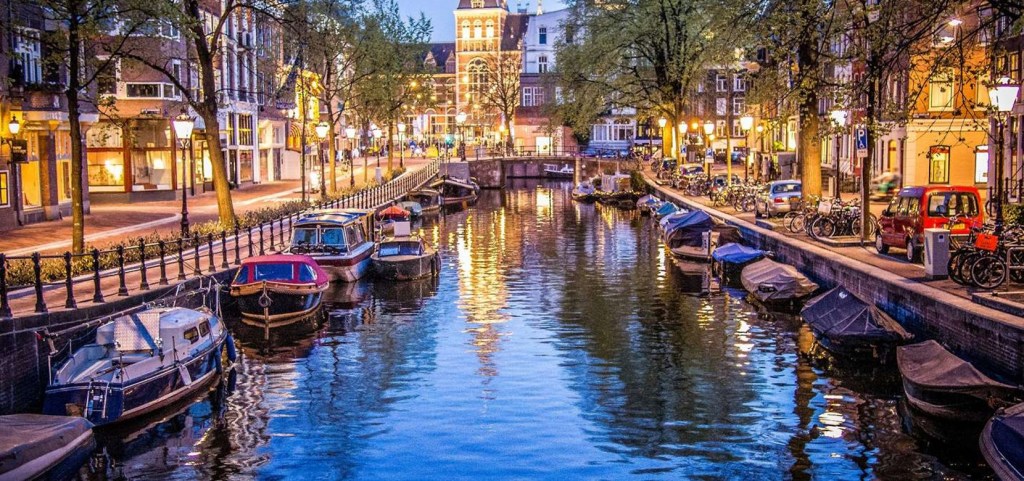
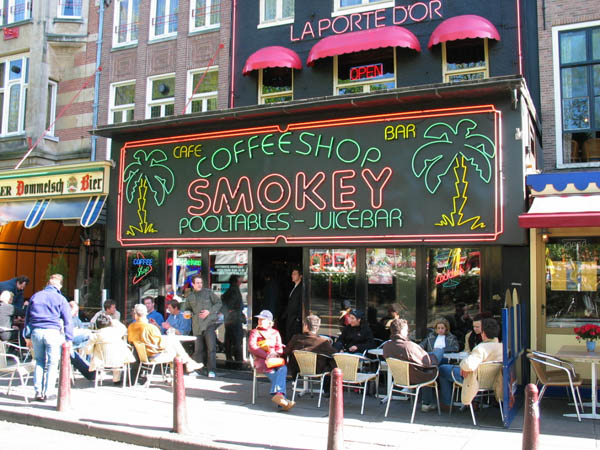
Furthermore, in terms of architectural symbolism, the city of Amsterdam is widely recognised for its beautiful houses and ever present canals which stretch their winding way through the city, often dominating the landscape. Among tourists and travellers, Amsterdam is acclaimed for its coffee shops and delicious Dutch pastries and sweet treats, thus both serving as further symbols for the nation. In addition to the unique capital’s infrastructure, the Netherlands is also known for its windmills, and cheese markets, even possessing a cheese museum located in Alkmaar, a fellow Dutch city.
HURRY, PACK FASTER! (ASSESSMENT)

Through my research of Amsterdam’s customs and lifestyle routines, I discovered many differences, some minor and some more noticeable, between their culture and ours in Australia.

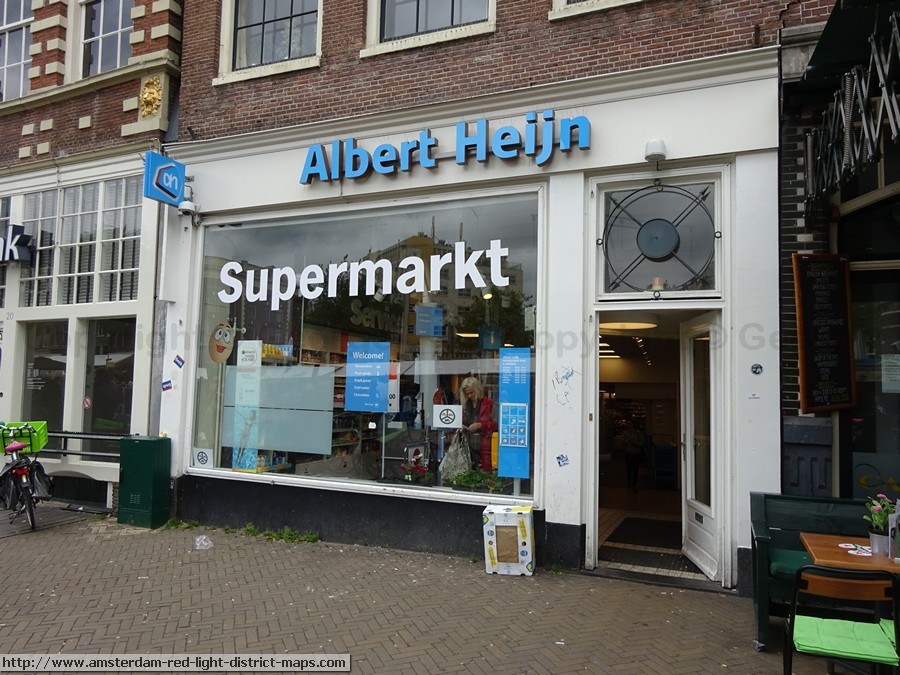
One of these differences surrounds grocery shopping, and the way this activity is undertaken in a unique way, contrasting to the manner in which Australian supermarkets operate. Throughout Amsterdam, and even broader Netherlands as a whole, shop clerks do not pack your groceries into bags for you, instead leaving this task for the shopper to perform themselves.

This causes Australian visitors to the Netherlands, to grow nervous and antsy in trying to keep up with the speedy cashier as they scan the items, and not hold up the line of impatient Dutch shoppers behind them.

Keeping on the subject of supermarkets, another detail noted by tourists was the lack of variety of ingredients and food within any one store. Australians remarked about having to “visit multiple grocery stores” to find a handful of ingredients even for only the one recipe or meal. 

In Australia, we are very accustomed to major supermarkets that contain aisles upon aisles of options, choices and vast varieties of food. Amsterdam differs in this way dramatically, as their food stores are on a smaller scale and more unique and varied in the produce they stock. 

While this isn’t exactly a major difference, enough so to evoke culture shock or proper homesickness/discomfort, it is something which visitors must adjust to. Furthermore, this prompts us to reflect on how something so simple and ordinary, undertaken on such a regular basis without much or if any thought, can be altered and uprooted from country to country. 

This relates to our broader study of how to travel smarter, as it urges travellers to consider how activities or societal structures once seen as universal and widely recognised, can in fact take on their own unique form and process, varying from place to place. 

SOURCES:

A Guide to the differences between The Netherlands and Australia

https://www.wanderlustingk.com/travel-blog/grocery-stores-netherlands

Tourists VS. Locals, who will triumph? (ASSESSMENT)

A current issue faced by the Netherlands capital city of Amsterdam heavily relates to travel, in fact. In recent news, the topic of over-tourism in Amsterdam has been raised as a prominent struggle suffered by the local community there. 

While locals acknowledge the generous and positive influx of profit which tourists bring to the local businesses, restaurants, and accommodation places as well as the overall success of Amsterdam’s busy and highly popular culture, their tolerance for the supposedly “soaring visitor numbers” is wearing increasingly thin.

source: https://www.dw.com/en/how-amsterdam-is-fighting-mass-tourism/a-47806959

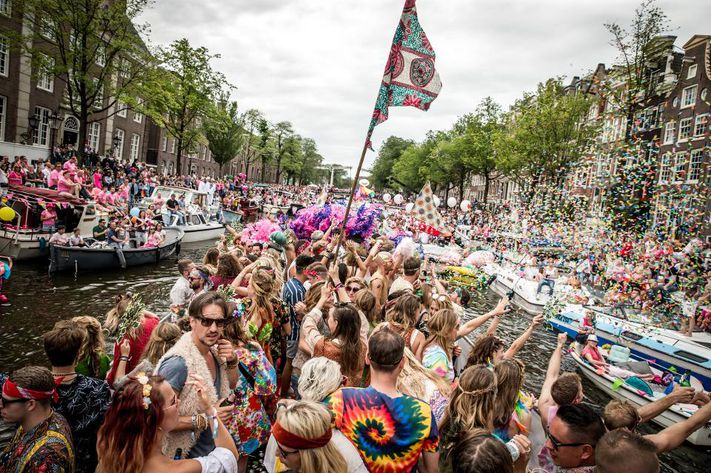
As pressure builds between the Dutch community, an unsettling feeling of their home becoming nothing more than a mere “travel playground” starts to arise as a result. The most immediate problem which this poses is an overbearing degree of visitor overload.

source: https://www.forbes.com/sites/ceciliarodriguez/2018/05/17/amsterdam-overwhelmed-by-tourists-gets-tough-on-airbnb-tourists-taxes-too-much-partying/#509609192be5

This may mean that Amsterdam’s liveability as a city significantly decreases, while the amount and success of Air BnB’s and entertainment attractions only grows to the point of overtaking the city itself. This is obviously an unhelpful and disappointing possible future outcome for Amsterdam as it will drastically change and alter their culture and reputation amongst those who originate from there.

Whilst a global reputation is of utmost importance in today’s modern world of immediate and accessible information, isn’t what those permanently inhabiting the space think of it of a greater importance?

I feel this is an interesting crossroads to be at for Amsterdam’s people as they struggle to take back their city. It shouldn’t be all about attracting and pleasing outsiders, when there are those who have settled within the city and built everyday lives there. The liveability and perspectives of locals should be a prominent concern and priority for Amsterdam.

As for the ever-growing negative attitude towards their excessive tourism, CNN reported that more focus will now be directed to “destination management” rather than “destination promotion.”

Click below to read the full article and additional resources:

https://edition.cnn.com/travel/article/amsterdam-overtourism/index.html

https://www.telegraph.co.uk/travel/news/amsterdam-overtourism-travelbird/

ABOUT ME

As an avid reader and writer, I am perpetually fascinated by stories. Even today, storytelling remains one of the most important ancient crafts in society, despite dating back centuries and centuries, and probably intercepts with daily life more than people realise. “Travel,” for example, has forever been a prominent and reoccurring theme explored within stories. To adventure to a far off land is the ultimate journey of both self-discovery and extending yourself beyond your comfort zone– two concepts which shall serve as a primary launching pad for my discussion of travel.

Travel, whether experienced solo or with others, offers ample opportunity for self-growth and a broader overarching cultural education. This experience of personal growth and discovery is one I spend a lot of time considering, both in reference to myself and those around me, even of fictional origin (like my characters) and as a result, has since become a reoccurring narrative backbone to a great amount of my writing projects.

These ideas will feature concurrently throughout my exploration of travel. With a dominant focus on the highlights of the extraordinary city of Amsterdam, this blog is for anybody interested in insightful and adventurous stories about the Dutch capital. Through providing a keen focus to the unique architecture and standalone structural layout of the city, I hope to provoke in readers a fresh outlook on the features of Amsterdam which truly make it different from any other European capital across the continents.

source: https://www.tours-tickets.com/en/blog/10-fun-facts-about-amsterdam-canals/

Additionally, this blog will explore the Dutch cuisine of Amsterdam and how this is received by tourists, the most widely-recognised attractions of Amsterdam to visitors (and in turn, what locals classify as the city’s strengths, perhaps in contrast to travellers) and finally, what symbols contribute to the capital’s broader national identity and how these have been interpreted by the rest of the world.

What People Say

“And just what is it that you’re looking for?”

“When I find it, I’ll know.”

Some old black and white movie I saw years ago and can’t remember.

Some tourists think,

Amsterdam is a city of sin, but in truth, it is a city of freedom

John Green, The Fault in our Stars

The impulse to travel is one of the most hopeful symptoms of life.

61 Inspiring Quotes about Travel, https://theplanetd.com/the-ultimate-travel-quotes-as-chosen-by-you/

“Dutch people get stoned all the time” (ASSESSMENT)

Most of the time when tourists consider travelling to Amsterdam, they do so for specific reasons, being that some aspect of the Dutch culture appeals to them, whether that be the unique, and beautiful structure of the city, or the allure of riding down the famous canals in a boat or along the side of these on a bicycle. 

With each city or even the broader country, there exists almost a limitless supply of stereotypes and examples of essentialism which occur in the minds of foreigners, whose only understanding of the place is achieved through the various cultural representations which are delivered through either television programmes, guide books, word of mouth or advertising.

In regards to Amsterdam, there is a certain association with drawing a young and reckless demographic of tourists. This is due to the “partying culture” which many Australians and various other countries attach to the city of Amsterdam, and the sense of freedom which Amsterdam’s laws present in comparison to those laws existing at home. To draw from a personal anecdote here, when I shared with some friends my dream to travel to Amsterdam, their immediate response was to sneer and smirk, raising a knowing eyebrow.

“Oh, we know why you want to go to Amsterdam, Mon!” They remarked.

“Why?” I asked, not catching on.

“Because of the weed!” 

This is a keen example of how much of an impact people’s understandings of a certain place’s essentialism can have on their overall understanding of the place. Despite the reality of Amsterdam’s perhaps more alternative laws, these have never crossed my mind in my fascination with the city. The beautiful landscape, complicated and immersive history (hello, why aren’t more people talking about the Anne Frank house?!) and even the unique cuisine are more along my motivations for visiting the Dutch capital. However, this is clearly not the case for my male friends whose first thought of the place is focussed on these laws.

Click below for a link containing great insight into the legal side of Amsterdam:

10 Rumours about Amsterdam that are true and 10 that are false! Below is another link which I found really interesting and greatly assisted in shedding some light on Amsterdam’s essentialism:

https://www.thetravel.com/10-rumours-about-amsterdam-that-are-true-10-that-are-false/

STREET ART CENTRAL

Street art is a thriving cultural phenomena throughout the Dutch capital of Amsterdam, with the city even featuring its very own street art museum to satisfy the population’s love and hunger for all kinds of alternative modernised graffiti art. But if wandering through drafty hallways gazing at exhibitions among crowds of other tourists isn’t quite your scene, Amsterdam offers many other more down-to-earth and less conventional ways of viewing some edgy art.

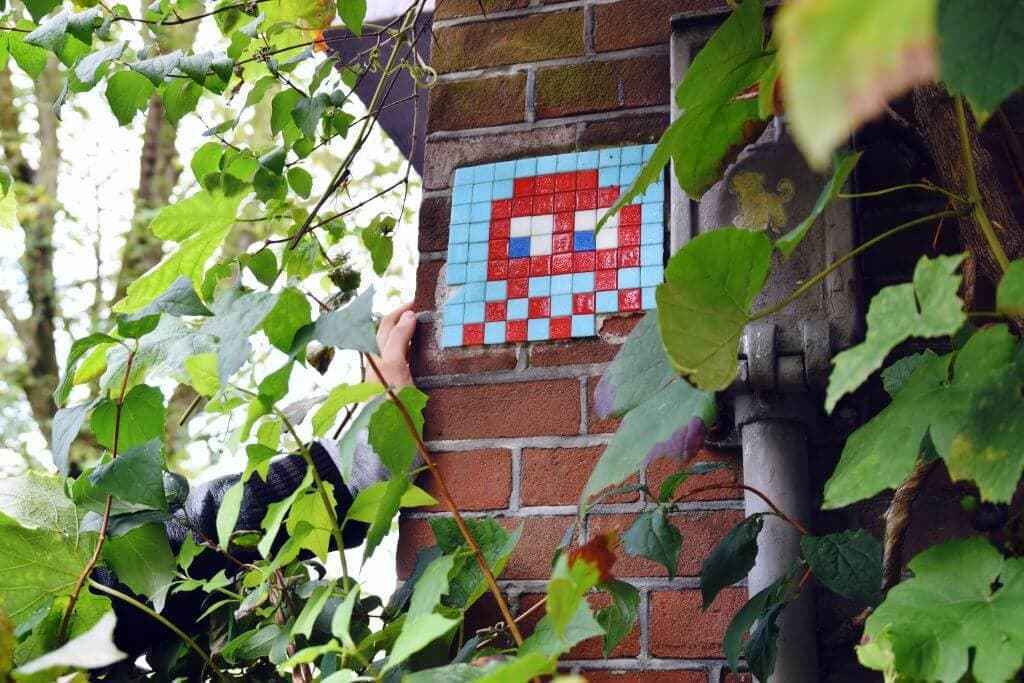
If you’d rather go on a scavenger hunt to find some art, there’s an ever growing handful of sites across Amsterdam that make this possible. Take the space invaders tiles for example, a series which has been spotted across many other European capital cities, including Paris and you guessed it, Amsterdam! The artist has caused quite the stir in the world wide web as he “invades” space after space (haha see what I did there)! See below for supporting visual:

source: https://s21art.weebly.com/blog/space-invaders

In addition to retro mosaic art displays, Amsterdam also features many abandoned buildings which now serve as giant decaying canvases for the budding graffiti culture. The most prominent area to discover a large collection of decadent displays of graffiti to a large scale would be the neighbourhood of Wijdesteeg and Spuistraat, considered the original “HQ” of Amsterdam’s street art.

Design a site like this with WordPress.com
Get started